
Why It Is Important to Have Emergency Contact Information when Riding Your Bike
May 29, 2026 8:31 pm Leave your thoughtsWhether you are a seasoned cyclist logging hundreds of miles each week or a casual rider who enjoys a leisurely spin through the neighborhood on weekends, one thing remains true for every person who gets on a bike: accidents and emergencies can happen to anyone, at any time, and in any place. Bike riding is one of the most accessible and rewarding forms of exercise and transportation available, but it also comes with inherent risks. Roads can be unpredictable, trails can be uneven, and even the most careful rider can find themselves in a situation where they need help fast. Having emergency contact information readily available is one of the simplest, most effective safety measures a cyclist can take, and yet it is one of the most overlooked.
This blog explores why carrying emergency contact information is so critical for cyclists, how it can make a real difference in an emergency, and what steps you can take today to make sure you are prepared every time you head out on your bike.
The Reality of Cycling Accidents and Why Preparedness Matters
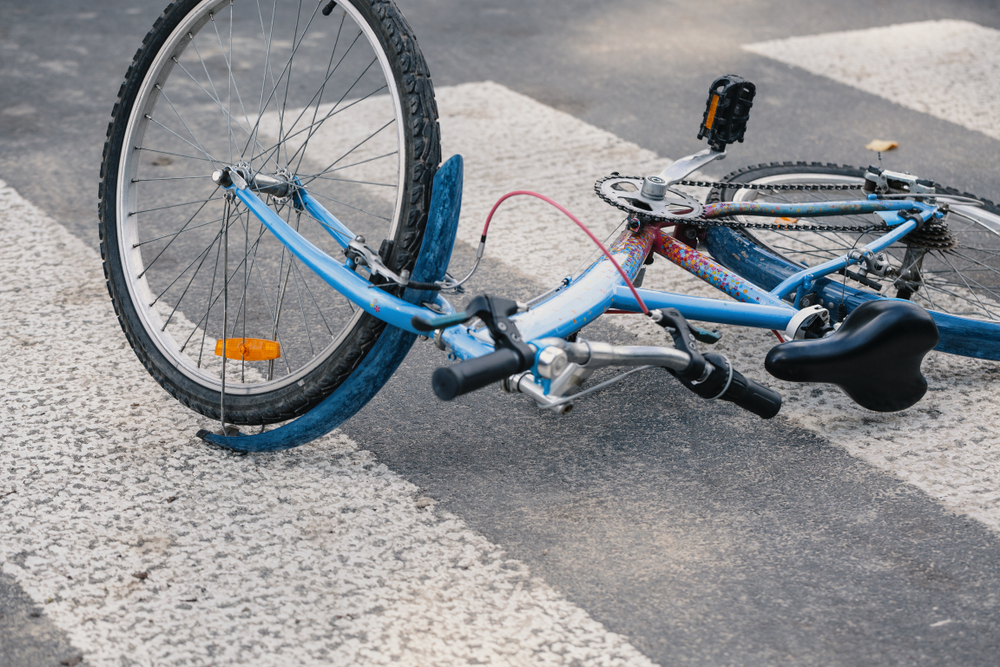
Cycling accidents are more common than many people realize. From minor falls on a neighborhood path to serious collisions on busy roads, riders of all skill levels are exposed to risk every time they go out. When an accident occurs and a rider is unconscious, disoriented, or otherwise unable to communicate, first responders and bystanders are left without critical information about who the person is or who to call.
This is where emergency contact information becomes life-saving. If a cyclist is found unresponsive on the side of a road, the difference between a fast response and a delayed one can come down to something as simple as a card in their pocket or a tag on their helmet. Emergency medical teams are trained to look for this kind of information, and having it available allows them to notify a rider’s family immediately, share relevant medical history with doctors, and ensure that the right people are informed and involved from the very beginning.
Bike riding brings so much joy and freedom, but responsible riders understand that preparation is part of the experience. Just as you would not head out on a long ride without checking your tire pressure or making sure your brakes are functioning properly, you should never leave home without making sure someone knows how to reach your loved ones if something goes wrong.
What Emergency Contact Information Should Include
Not all emergency contact setups are created equal. A name and phone number are a good start, but a well-prepared cyclist should think beyond the basics. Your emergency contact information should include the full name and phone number of at least one trusted person who can be reached quickly. It should also include any critical medical information that could affect how first responders treat you, such as known allergies, blood type, current medications, or chronic conditions like diabetes or a heart condition.
If you wear a medical alert bracelet or carry a medical ID card, make sure the information is current and legible. Some cyclists also use apps and digital tools specifically designed to store and display emergency information from a locked phone screen. Products like Road ID, an engraved wristband or shoe tag with your personal details, have become popular among serious cyclists for exactly this reason.
Think about where you store this information as well. A card tucked deep inside a jersey pocket may not be easy for a bystander to find. Consider attaching it to the outside of your helmet, storing it in an easily accessible pouch on your bike, or using a visible tag on your bag or gear. The goal is to make the information as easy to find as possible for someone who may be in a panicked or high-stress situation trying to help you.
How Emergency Contact Information Supports Bike Repairs and Roadside Situations
Emergency contact information is not only relevant in the case of serious accidents. It also plays a practical role in less dramatic but still stressful roadside situations. Imagine you are on a long solo ride and your bike breaks down far from home. You have no cell service, your battery has died, or you have been injured just enough to make it difficult to ride back. In these moments, having a contact card with information that a passerby or motorist can use to reach someone on your behalf can be incredibly helpful.
Bike repairs in the field are a skill every rider should develop, but there are situations where even a prepared cyclist cannot fix the problem alone. A bent derailleur, a cracked frame, or a flat tire without a spare tube can leave you stranded. If you are unable to call for help yourself, having a card with your emergency contact’s information and even the name of your local bike shop can help someone else step in and coordinate assistance on your behalf.
Being prepared for bike repairs and mechanical failures is part of responsible cycling, and so is making sure that someone can be reached if you need to be picked up or if you are delayed well beyond your expected return time. Let someone at home know your route, your estimated return time, and when they should start to worry if they have not heard from you.
Teaching Young Riders and Beginners the Importance of Emergency Contacts
If you have children who ride bikes, or if you are newer to cycling yourself, building the habit of carrying emergency contact information from the very beginning is one of the best things you can do. Young riders especially should have identification and a parent or guardian’s phone number accessible at all times, whether tucked into a small pouch on their bike, written on a card in their backpack, or attached to their helmet.
Teaching kids that this is a normal and responsible part of bike riding helps normalize safety preparation at an early age. Just as they are taught to wear a helmet and follow traffic rules, they should understand that knowing what to do in an emergency, and making it easy for adults to help them, is part of being a smart and confident cyclist.
For adult beginners, joining a cycling club or group ride is a wonderful way to learn the ropes, and most established groups already have protocols in place for handling emergencies. Ask about those protocols, follow them, and add your own personal emergency contact information on top of whatever the group provides.
Solo riders, regardless of experience level, carry the most risk when it comes to emergencies going unnoticed. If you prefer to ride alone, the importance of having clear, accessible emergency contact information cannot be overstated. Make it a non-negotiable part of your pre-ride checklist, right alongside checking your gear, helmet, and bike repairs readiness before every ride.
Conclusion
Bike riding is one of life’s great pleasures, offering freedom, fitness, and connection to the world around you. But every rider owes it to themselves and to the people who care about them to take safety seriously. Carrying emergency contact information is a small, simple step that requires almost no effort and costs very little, yet it has the potential to make an enormous difference when it matters most. From serious accidents to unexpected bike repairs and mechanical breakdowns, being prepared ensures that help can reach you faster and that the people you love will be notified without delay. Make it a habit, encourage others to do the same, and ride with both confidence and care.
Need a Bicycle Shop in Boca Raton, FL?
Welcome to Bicycle Doctor House Calls. We are proud to serve Boca Raton with top-of-the-line bicycles, scooters, and mobile repair services. We repair, sell, and rent all types of bicycles, electric scooters, wheelchairs, and electric bicycles. Bicycle Doctor House Calls offers a wide range of bicycle services including; brakes, gear adjustments, wheel alignments, safety checks, and much more. With over 30 years of experience, you can rest assured you will receive the highest level of technical skill and customer satisfaction. Call Bicycle Doctor House Calls today. We are happy to assist you! Set up an appointment today!
Categorised in: Tips
This post was written by admin